
The Plant Paradox Food List: A Comprehensive Guide (Updated 01/09/2026)
Discover a wealth of design inspiration, including kitchen and bathroom ideas, with over 25 million photos and 100,000 idea books!
Finding the perfect tree for zone 6, with a striking winter silhouette, involves exploring options beyond black gum, ensuring a lasting landscape choice.
The Plant Paradox, a dietary approach gaining traction, centers around understanding the impact of lectins – naturally occurring proteins found in many plants – on human health. This isn’t about eliminating plants, but rather making informed choices about which plants to consume and how to prepare them.
Inspired by the vast world of interior design, where careful selection creates harmonious spaces, the Plant Paradox encourages a similar mindful approach to food. Just as designers curate inspiring kitchens and bathrooms, we can curate our diets for optimal well-being. Resources, like comprehensive food lists – often available in PDF format – become essential tools.
These PDF guides, mirroring the extensive idea books available for home renovation, offer a structured way to navigate the complexities of lectin content. They help identify “no-go” foods, those to limit, and those to enjoy freely, much like selecting the perfect tree with a beautiful winter silhouette for your garden.
What are Lectins and Why are They Problematic?
Lectins are carbohydrate-binding proteins present in a wide range of plants, acting as a defense mechanism for the plant itself. However, in humans, they can interfere with the digestive process, potentially causing inflammation and gut permeability – often referred to as “leaky gut.” This interference stems from lectins’ ability to bind to the lining of the digestive tract.
Understanding which plants contain higher concentrations of lectins is crucial, and this is where a detailed Plant Paradox food list PDF becomes invaluable. Much like architects rely on blueprints, individuals following this diet utilize these lists to navigate food choices.
The problematic nature of lectins isn’t about complete avoidance, but about mitigating their effects. Similar to selecting trees for a visually appealing winter landscape, informed choices are key. PDF guides offer a structured approach, categorizing foods based on lectin content, empowering individuals to make healthier decisions.
The Core Principles of the Plant Paradox Diet
The Plant Paradox Diet centers around minimizing lectin intake to reduce inflammation and improve gut health. It’s not a purely plant-free diet, but rather a selective one, emphasizing foods with lower lectin levels. This approach mirrors careful home design, choosing elements that harmonize for optimal well-being.
A comprehensive Plant Paradox food list PDF is fundamental to success. It provides a clear framework for identifying “yes,” “no,” and “limit” foods, much like an architect uses plans to guide construction. These lists categorize foods based on their lectin content, simplifying meal planning.
Beyond avoidance, the diet encourages techniques like soaking, sprouting, and pressure cooking to reduce lectins. Just as selecting the right tree enhances a landscape, these methods optimize food digestibility. Utilizing a PDF guide ensures consistent application of these principles, fostering long-term adherence.
Foods to Avoid: The “No-Go” List
A detailed Plant Paradox food list PDF highlights nightshades, grains, legumes, and seeds as primary avoidance categories, mirroring careful design choices.
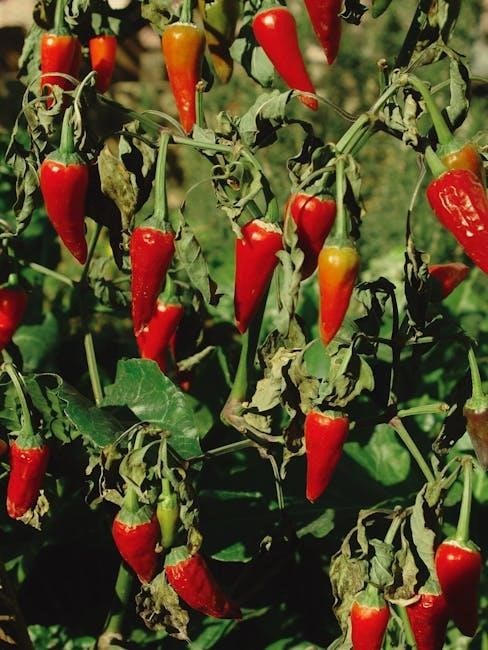
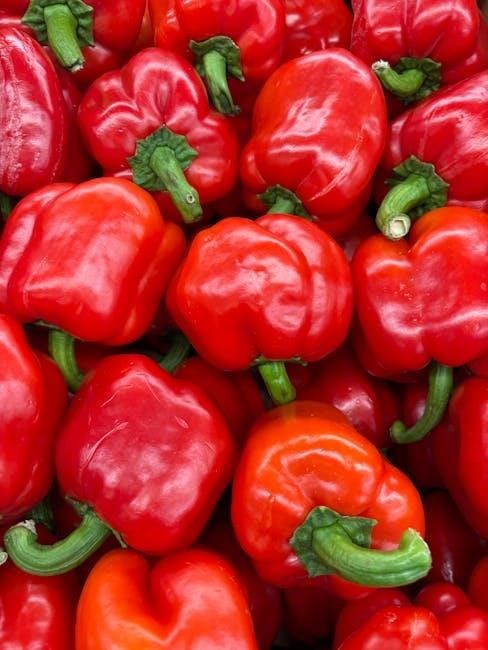
Nightshades: Tomatoes, Potatoes, Eggplant, Peppers
A comprehensive Plant Paradox food list PDF meticulously details nightshades – tomatoes, potatoes, eggplant, and peppers – as significant sources of lectins requiring avoidance. These vegetables, while commonly enjoyed, contain compounds that the diet proposes can trigger inflammatory responses in susceptible individuals.
The PDF guides users to identify nightshade-containing ingredients in processed foods, emphasizing the importance of label reading. It often includes visual aids, like pictures of each vegetable, for easy recognition. Furthermore, the document may offer substitution suggestions, such as using cauliflower as a potato alternative or exploring different spice profiles to replace pepper’s heat.
Understanding the rationale behind excluding nightshades, as explained within the PDF, empowers individuals to make informed dietary choices aligned with the Plant Paradox principles, much like selecting inspiring design elements.
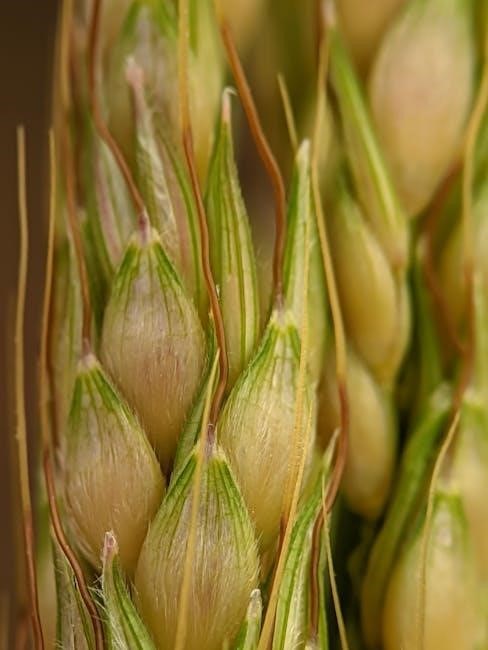
Grains: Wheat, Rice, Corn, Oats
A detailed Plant Paradox food list PDF highlights grains – wheat, rice, corn, and oats – as primary culprits in lectin-related sensitivities. The document typically categorizes these grains as “no-go” foods, explaining their high lectin content and potential to disrupt gut health. It emphasizes that even seemingly healthy options like brown rice aren’t exempt from lectin concerns.
The PDF often provides a breakdown of different grain varieties, noting variations in lectin levels. It may also include information on ancient grains and their lectin profiles. Similar to browsing kitchen remodeling ideas, the PDF empowers informed choices.
Substitution suggestions, like utilizing cauliflower rice or almond flour, are frequently included, aiding individuals in adapting to a lectin-reduced lifestyle, mirroring the search for the perfect home design.
Legumes: Beans, Lentils, Peanuts
A comprehensive Plant Paradox food list PDF meticulously details legumes – beans, lentils, and peanuts – as significant sources of lectins. These are generally classified as foods to avoid, with the PDF explaining how lectins in legumes can interfere with nutrient absorption and contribute to inflammation. It often clarifies that even soaking or sprouting may not entirely eliminate the problematic lectins.
The document frequently differentiates between various legume types, potentially outlining slight variations in lectin concentration. Much like exploring inspiring photos for bathroom renovations, the PDF offers detailed information;
Alternative protein sources, such as pasture-raised meats and wild-caught fish, are often suggested as replacements, supporting a lectin-light dietary approach.
Seeds: Chia, Flax, Sunflower, Pumpkin
A detailed Plant Paradox food list PDF categorizes seeds – chia, flax, sunflower, and pumpkin – as containing notable levels of lectins, generally placing them within the “avoid” or “limit” categories. The PDF explains how these tiny powerhouses, despite their nutritional benefits, can trigger immune responses due to their lectin content.
It often highlights that processing methods like soaking or grinding may not sufficiently reduce lectin levels, mirroring the detailed kitchen remodeling ideas found in extensive design collections.
The guide frequently suggests alternatives, emphasizing healthy fats like avocado oil and olive oil as preferred choices, supporting a gut-friendly dietary strategy. Careful consideration is advised when incorporating seeds.
Dairy: Milk, Cheese, Yogurt (Conventional)
A comprehensive Plant Paradox food list PDF typically flags conventional dairy – milk, cheese, and yogurt – as problematic due to the A1 casein protein and associated lectins. The PDF often details how these components can contribute to inflammation and digestive issues in sensitive individuals, much like selecting the right materials for a bathroom remodel.
It emphasizes that the lectins in dairy can disrupt gut lining integrity, potentially leading to autoimmune responses. The guide frequently recommends seeking out A2 dairy options, or exploring dairy-free alternatives, as a more compatible choice.

The PDF also notes that processing methods don’t eliminate these lectins, reinforcing the need for mindful selection;
Foods to Limit: Proceed with Caution
A Plant Paradox PDF guide suggests limiting certain fruits and root vegetables, balancing enjoyment with potential lectin sensitivity, like choosing kitchen designs.
Certain Fruits: Melons, Squash
According to Plant Paradox resources often found in PDF format, melons and squash fall into the category of foods to limit, not entirely avoid. This is due to their lectin content, which, while not as high as in “no-go” foods, can still potentially cause issues for sensitive individuals.
PDF guides emphasize mindful consumption. For example, smaller portions of cantaloupe or butternut squash might be tolerated better than larger servings. The guides often suggest peeling the skin, as lectins are frequently concentrated there.
Similar to navigating kitchen remodeling ideas, finding the right balance is key. Some individuals may be able to enjoy these fruits and vegetables without any adverse effects, while others may need to restrict them further. A comprehensive PDF will often include personal experimentation guidelines.
Root Vegetables: Carrots, Parsnips
Plant Paradox PDF guides categorize root vegetables like carrots and parsnips as foods requiring cautious consumption. While not strictly prohibited, their lectin content necessitates mindful consideration, much like selecting the perfect design for a bathroom remodel.
These PDFs often detail that peeling is crucial, as a significant portion of lectins resides in the skin. Cooking methods also matter; thorough cooking can help reduce lectin levels, though not eliminate them entirely.
The guides frequently advise monitoring individual tolerance. Some individuals may experience digestive discomfort after consuming root vegetables, while others may not. Like exploring inspiring photos, finding what works best is personal. A detailed PDF will offer strategies for minimizing potential reactions.

Spices: Paprika, Cayenne Pepper
Plant Paradox PDF resources generally classify paprika and cayenne pepper within the “limit” category, mirroring the extensive collection of interior design ideas available online. These spices, while flavorful, contain lectins that may trigger sensitivities in some individuals.
PDF guides emphasize that moderation is key. Using small amounts for flavoring is typically considered acceptable, but excessive consumption should be avoided. The level of processing can also influence lectin content; some forms may have higher concentrations than others.
Similar to finding the right architect, understanding your body’s response is crucial. A comprehensive PDF will suggest experimenting with small quantities and observing any digestive reactions. It’s about finding a balance, just like blending design elements for a harmonious space.

Foods to Enjoy: The “Yes” List
PDF guides highlight leafy greens, pasture-raised meats, and wild-caught fish as staples, mirroring the inspiring kitchen designs found online for a healthy lifestyle.
Healthy Fats: Olive Oil, Avocado Oil, Coconut Oil
PDF resources emphasize incorporating healthy fats like olive oil, avocado oil, and coconut oil as foundational elements of the Plant Paradox approach. These fats, unlike those found in processed foods, are generally low in lectins and support overall well-being.
Many downloadable guides detail how these oils can be utilized in cooking, mirroring the inspiring kitchen designs often showcased online. They suggest using olive oil for dressings and low-heat cooking, avocado oil for higher-heat applications, and coconut oil for specific recipes.
Furthermore, these PDFs often highlight the importance of sourcing high-quality, extra virgin versions of these oils to maximize their nutritional benefits. Just as careful planning goes into home remodeling, selecting the right fats is crucial for success.
Non-Starchy Vegetables: Leafy Greens, Broccoli, Cauliflower
Plant Paradox PDF guides consistently champion non-starchy vegetables – leafy greens, broccoli, and cauliflower – as cornerstones of the diet. These vegetables are naturally low in lectins, making them safe and beneficial for consumption, unlike many grains and legumes.
These downloadable resources often provide extensive lists of acceptable non-starchy vegetables, mirroring the vast collection of kitchen design ideas available online. They emphasize incorporating a wide variety into meals for optimal nutrient intake.
PDFs also suggest preparation methods to further minimize any potential lectin content, such as steaming or roasting. Just as a well-designed kitchen inspires culinary creativity, these vegetables fuel a healthy lifestyle.
Pasture-Raised Meats and Poultry
Plant Paradox PDF guides universally endorse pasture-raised meats and poultry as excellent protein sources, free from the lectin concerns associated with conventionally raised animals. These resources highlight the importance of sourcing meat from animals allowed to graze on natural pastures.
The emphasis on quality mirrors the detailed inspiration found in online interior design resources, focusing on foundational elements. PDFs often explain how the diet of the animal impacts lectin levels, advocating for grass-fed beef and free-range poultry;
These guides frequently include tips for finding reputable suppliers, ensuring consumers access truly pasture-raised options, much like finding skilled contractors for home renovations.
Wild-Caught Fish
Plant Paradox PDF resources consistently champion wild-caught fish as a cornerstone of the diet, offering a protein-rich, lectin-light option. These guides emphasize the superiority of fish harvested from their natural ocean environments over farmed varieties.
Similar to browsing inspiring kitchen designs online, PDFs detail the benefits of specific fish types – salmon, sardines, and mackerel are frequently highlighted for their omega-3 content and low lectin profiles.
They often caution against certain farmed fish, explaining how their feed can contribute to increased lectin levels. Finding reliable sources, much like locating a skilled architect, is key to success.
Fermented Foods: Sauerkraut, Kimchi
Plant Paradox PDF guides frequently spotlight fermented foods like sauerkraut and kimchi as gut-health powerhouses, aligning with the diet’s focus on digestive wellness. These resources explain how fermentation naturally reduces lectin content, making these foods more compatible with the Plant Paradox protocol.
Much like exploring remodeling ideas online, PDFs detail the benefits of probiotics found in these foods, aiding digestion and bolstering the gut microbiome.
They often provide guidance on selecting traditionally fermented options, avoiding those with added sugars or vinegar, which can negate some benefits. A comprehensive PDF acts as your design inspiration for a healthier gut!

Understanding Lectin Content in Specific Foods
PDF guides offer detailed lectin level charts, much like design idea books, helping you navigate food choices and optimize your Plant Paradox journey.
Lectin Levels in Different Types of Potatoes
Navigating potato choices on the Plant Paradox diet requires understanding varying lectin concentrations, often detailed within comprehensive PDF guides. These resources, similar to expansive interior design collections, categorize potatoes based on their lectin content, aiding informed decisions.
Russet potatoes generally exhibit higher lectin levels compared to red or Yukon Gold varieties. A well-structured PDF will present this data clearly, perhaps in a table format, mirroring how design inspiration is organized in idea books.
Furthermore, preparation methods significantly impact lectin levels; peeling and cooking can reduce them. PDF guides frequently include preparation tips alongside lectin data, empowering individuals to minimize potential issues. Finding a reliable PDF is akin to discovering the perfect architectural plan – it provides a solid foundation for success.
Comparing Lectin Levels in Various Grains
A detailed Plant Paradox food list PDF is crucial for discerning grain choices, much like a comprehensive design guide aids in selecting materials. Lectin content varies dramatically between grains; wheat consistently ranks highest, necessitating avoidance on a strict protocol.
Rice, particularly white rice, generally presents lower lectin levels than whole grains, though still requiring moderation. Corn, another common grain, also contains lectins, with variations depending on the type. A quality PDF will provide a comparative chart, similar to those showcasing kitchen remodeling costs.
Oats, while often perceived as healthy, possess notable lectin levels. PDF resources often highlight preparation techniques – soaking or sprouting – to mitigate lectin impact, mirroring advice on landscaping for optimal winter silhouettes.
The Lectin Content of Common Fruits
A well-structured Plant Paradox food list PDF is essential for navigating fruit choices, akin to an interior design idea book guiding material selection. Fruit lectin levels differ significantly; melons, particularly honeydew and cantaloupe, generally exhibit higher concentrations, warranting limited consumption.
Squash, including zucchini and butternut, also contains lectins, though often less than melons. Berries, conversely, are typically lower in lectins and considered more favorable. A comprehensive PDF resource will detail these variations, much like a cost breakdown for bathroom renovations.
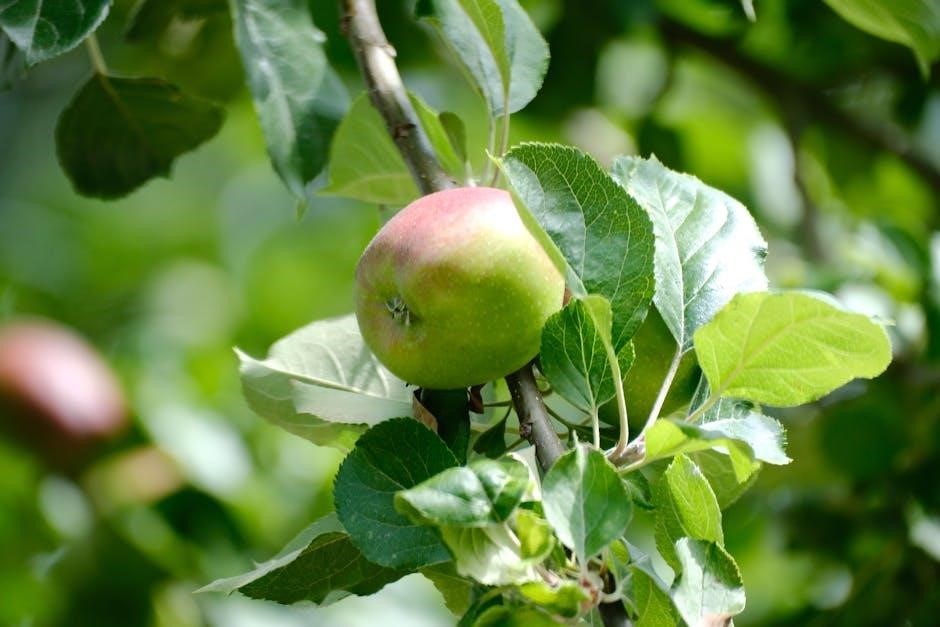
Apples and citrus fruits fall into a moderate range, benefiting from peeling to reduce lectin exposure. PDF guides often emphasize mindful portion control, mirroring the careful planning needed for a striking winter landscape.
Navigating the Plant Paradox with a PDF Guide
Like finding inspiring kitchen designs, a detailed PDF simplifies the Plant Paradox, offering a readily accessible food list for streamlined meal planning and shopping!
Where to Find Reliable Plant Paradox Food Lists in PDF Format
Locating trustworthy Plant Paradox food lists in PDF format requires discerning sources, much like finding qualified home improvement contractors for a kitchen remodel. Several websites dedicated to health and wellness offer downloadable guides, but verifying the author’s credentials and the list’s alignment with Dr. Gundry’s research is crucial.
Look for PDFs originating from reputable health practitioners, registered dietitians specializing in lectin-reduced diets, or directly from sources affiliated with Dr. Gundry himself. Beware of generic lists lacking specific details or those promoting unverified claims. Online forums discussing the Plant Paradox can also point you towards shared, vetted resources, but always cross-reference information.
Remember, a reliable PDF will clearly categorize foods into “Yes,” “No,” and “Limit” lists, providing detailed explanations and potentially including lectin content information. Prioritize PDFs that are regularly updated, reflecting the latest research and insights into the Plant Paradox protocol, similar to the evolving trends in interior design.
What to Look for in a Comprehensive PDF Guide
A truly comprehensive Plant Paradox PDF guide should mirror the detail found in inspiring kitchen and bathroom design idea books – thorough and insightful. Beyond simple “Yes,” “No,” and “Limit” categorizations, seek a guide that explains why certain foods are problematic, detailing the specific lectins involved and their potential effects.
Look for lists that differentiate between varieties within food groups; for example, specifying lectin levels in different potato types. A valuable guide will also offer practical substitutions, suggesting “Yes” list alternatives for commonly avoided foods. Consider guides that include information on preparation methods – soaking, peeling, and cooking techniques – to minimize lectin content.
Finally, a top-tier PDF will acknowledge the individual nature of lectin sensitivity, encouraging mindful experimentation and personalized adjustments, much like tailoring a home design to individual preferences.
Using a PDF List for Grocery Shopping and Meal Planning
Transform your Plant Paradox journey with a well-utilized PDF list, akin to having 25 million inspiring design photos at your fingertips! Print your PDF and highlight “Yes” foods for quick grocery shopping, streamlining your selections and minimizing impulse buys of “No-Go” items.
Use the “Limit” list as a guide for mindful consumption, planning meals around abundant “Yes” foods and strategically incorporating limited items. Consider creating weekly meal plans directly within the PDF, noting recipes and ingredient lists.
Digital PDFs allow for searchable lists – quickly locate alternatives or check lectin content. Like finding the perfect architect, a well-used PDF empowers you to build a sustainable, lectin-conscious lifestyle, fostering long-term health and well-being.

Tips for Successfully Implementing the Plant Paradox Diet
Leverage a detailed PDF list, mirroring expansive design inspiration, for seamless grocery shopping and meal planning, ensuring dietary adherence and success!
Soaking and Sprouting to Reduce Lectin Content
Utilizing a comprehensive Plant Paradox food list PDF is crucial, but proactive preparation enhances results. Soaking legumes and grains – mirroring the extensive design resources available online – significantly reduces lectin levels. This process, often overnight, allows phytates to break down, improving digestibility.
Sprouting takes this further, activating enzymes that neutralize lectins even more effectively. Think of it as meticulously planning a kitchen remodel, requiring detailed blueprints (your PDF list!) and precise execution (soaking/sprouting).
Consistent application of these techniques, guided by a reliable PDF resource, empowers you to enjoy foods otherwise restricted, fostering a sustainable and gut-friendly approach to the Plant Paradox diet. Remember, like finding the perfect tree, patience and diligence yield the best outcomes.
Cooking Methods to Minimize Lectin Impact
A detailed Plant Paradox food list PDF is your starting point, but cooking techniques are vital for lectin reduction. Pressure cooking, similar to the detailed planning needed for a kitchen renovation showcased online, is exceptionally effective. High heat and moisture break down lectin structures, rendering them less problematic.
Slow cooking also helps, though it requires longer durations. Thoroughly roasting vegetables, akin to carefully selecting inspiring photos for an idea book, can diminish lectin content. Avoid undercooking, as this preserves lectins.
Pairing these methods with a reliable PDF guide ensures informed choices. Just as a landscape architect considers winter silhouettes, you must consider cooking’s impact on lectin levels, maximizing benefits and minimizing potential issues.
Supplementation to Support Gut Health
Utilizing a Plant Paradox food list PDF is a proactive step, but supporting gut health with supplementation is often crucial. Just as detailed kitchen remodeling plans require expert input, your gut needs assistance navigating dietary changes.
Digestive enzymes, particularly those targeting lectins, can aid breakdown and absorption, mirroring the inspiration found in 100,000 design idea books. Probiotics replenish beneficial gut bacteria, fostering a healthy microbiome. L-glutamine supports gut lining repair, vital after lectin exposure.
Consulting a healthcare professional is key, similar to finding qualified contractors for home improvement. A comprehensive PDF guide combined with targeted supplementation, like selecting the perfect tree for your zone, optimizes gut function and overall well-being.