Overview of Shark Navigator Lift‑Away ZU503AMZ
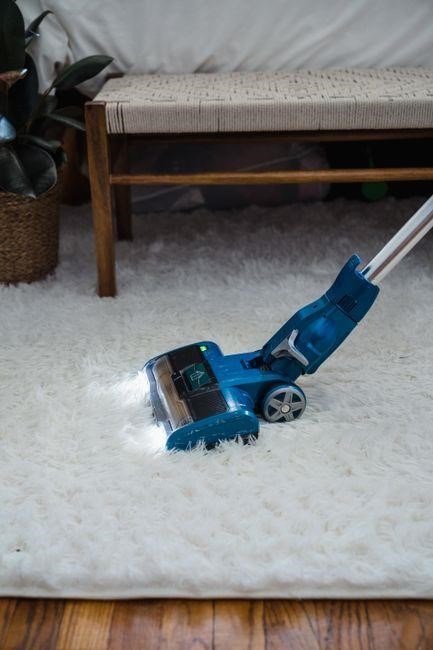
The Shark Navigator Lift‑Away ZU503AMZ combines a powerful 1200‑Watt motor with a self‑cleaning brushroll, making it ideal for pet hair removal. Its lift‑away design allows seamless transition between upright and handheld modes, while the HEPA‑like filter captures fine dust for cleaner air. Washable filter boosts ease!
Key Features and Design Highlights
The Shark Navigator Lift‑Away ZU503AMZ showcases a blend of convenience and performance. Its 1200‑Watt motor delivers robust suction, while the self‑cleaning brushroll automatically lifts to remove tangled hair, reducing maintenance. The lift‑away mechanism lets users detach the unit for handheld use, ideal for stairs or upholstery. A HEPA‑like filter captures 99.9% of dust and allergens, improving indoor air quality. The vacuum features a 2‑in‑1 design: an upright mode with a 2‑in‑1 brushroll and a handheld mode with a detachable wand. The wand is lightweight, making it easy to maneuver. A washable filter saves on replacement costs. The unit includes a 20‑foot power cord for extended reach. The ergonomic handle and swivel steering enhance maneuverability. The 2‑in‑1 brushroll can be removed for deep cleaning. The vacuum’s LED indicator shows filter status. The design includes a built‑in pet hair pickup tool for quick clean‑ups. The detachable wand can be used with a crevice tool for tight spaces. The vacuum’s quiet operation is achieved through noise‑reduction technology. The vacuum’s sleek black finish is complemented by a brushed metal finish on the handle. The Shark Navigator Lift‑Away ZU503AMZ is a versatile, pet‑friendly vacuum that offers powerful suction, easy maintenance, and a flexible design for home cleaning. The vacuum’s 2‑in‑1 brushroll can be swapped with a turbo brush for carpeted surfaces, while a soft brush attachment works on hardwood floors. The detachable wand includes a 3‑in‑1 crevice tool, a dusting brush, and a pet hair tool, making it a complete cleaning kit. The vacuum’s 20‑foot cord provides ample reach without the need for a power outlet near the cleaning area. The HEPA‑like filter is washable and can be cleaned in the sink, making maintenance hassle‑free. The unit’s ergonomic handle features a soft‑grip material for comfortable use. The overall design prioritizes user convenience, making it an excellent choice for pet owners and busy households alike.
Safety Precautions and Warnings
Ensure the vacuum is unplugged before cleaning. Do not use in wet areas. Keep the cord away from heat sources. Do not block airflow. Keep children away. Do not use on broken glass. Follow the manufacturer’s instructions. Use only supplied attachments. Store in a dry place. Do not expose to direct sunlight. Keep away from pets Always safe usec.
Electrical Safety Guidelines
Before operating the Shark Navigator Lift‑Away ZU503AMZ, verify that the power cord is in good condition, free of cuts, frays, or exposed wires. The unit is rated for 120‑V, 60‑Hz AC power; using a different voltage or frequency can damage the motor and void the warranty. Always plug the unit into a grounded outlet that meets the National Electrical Code requirements. Do not use the vacuum near water, steam, or wet surfaces, as moisture can cause electric shock or short circuits. Avoid placing the cord on hot surfaces or in direct sunlight, which can degrade insulation and increase fire risk. When moving the unit, keep the cord taut and avoid pulling or twisting it; this prevents internal damage and reduces the chance of accidental disconnection. Do not use extension cords or power strips that exceed the unit’s current rating; the vacuum’s motor draws up to 10 amps, so a 15‑amp circuit is recommended. If the power cord shows any signs of wear, replace it immediately with the manufacturer’s approved replacement. Before cleaning, disconnect the unit from the outlet and allow the motor to cool for at least 10 minutes. Never attempt to repair the power cord or plug yourself; contact a qualified service technician. Finally, store the vacuum in a dry, dust‑free environment, ensuring the cord is coiled loosely to prevent kinks that could compromise electrical integrity. By following these guidelines, you reduce the risk of electrical hazards and prolong the life of your Shark Navigator Lift‑Away ZU503AMZ.
Always keep the unit’s power cord free from tangles and store it in a protective sheath when not in use to avoid accidental damage now.
Parts and Accessories Inventory
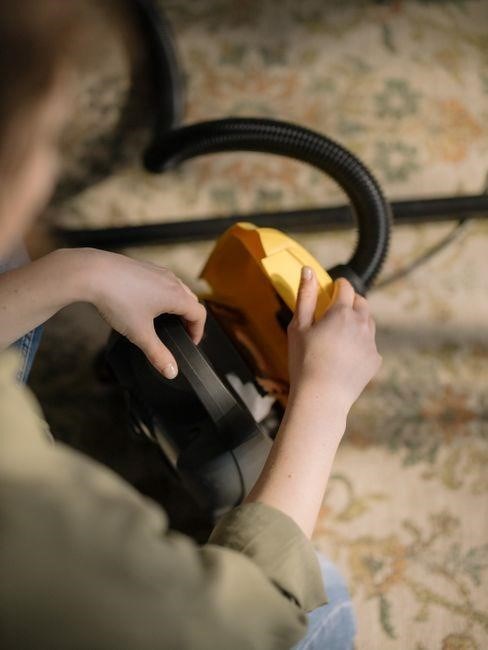
Included items: main body, lift‑away unit, 60‑inch extension hose, 3‑in‑1 brushroll, HEPA‑like filter, dust bag, charging cord, user manual, spare parts kit (filter, brushroll, hose). All components OEM fit ZU503AMZ. Includes a 2‑year warranty and a 3‑year free filter replacement program!
Included Components and Replacement Parts
The Shark Navigator Lift‑Away ZU503AMZ owners manual begins with a comprehensive parts list that serves as the foundation for all maintenance and repair tasks. This section identifies each component by its official part number, description, and the specific model it belongs to, ensuring that users can quickly locate the correct replacement. The manual also provides a visual diagram that labels the main body, lift‑away unit, extension hose, brushroll, filter assembly, dust bag, charging cord, and the user manual itself. For each item, the guide lists the recommended replacement part number, the typical lifespan, and the conditions under which a replacement is advised. The spare parts kit is highlighted as a convenient bundle that includes the most frequently replaced items: a high‑capacity filter, a durable brushroll, and a reinforced extension hose. Additionally, the manual offers a detailed ordering procedure, explaining how to use the Shark website or authorized retailers to procure parts by model number or part number. It also covers warranty coverage for each component, clarifying which parts are covered under the standard two‑year warranty and which are eligible for the extended filter replacement program. By providing clear instructions and part identifiers, the owners manual empowers users to maintain their vacuum’s performance and extend its operational life; The manual further details how to inspect each part for wear, the recommended intervals for replacement, and the proper disposal methods for used filters and brushrolls, ensuring compliance with environmental regulations. All have serial numbers for
Assembly and Initial Setup
Unbox the Shark Navigator Lift‑Away ZU503AMZ and verify all parts: main unit, lift‑away head, brushroll, filter, dust bag, and charging cord. Attach the brushroll, insert the dust bag, and connect the lift‑away unit to the main body. Charge the battery fully before first use. Enjoy now.
Connecting the Lift‑Away Unit to the Main Body
To attach the lift‑away head, align the magnetic connector on the head with the docking port on the main body. Press firmly until the click sound confirms a secure lock. Ensure the brushroll is fully seated and the dust bag is inserted. Verify that the power switch on the main unit is off before connecting. Once locked, the unit will automatically power on, and the lift‑away head will display a green LED indicating a successful connection. For optimal performance, keep the docking area clean of debris and periodically check the magnetic contacts for corrosion. If the head fails to engage, gently realign the connector or consult the troubleshooting section for further guidance.
Before you begin, ensure the main unit’s power cord is plugged into a grounded outlet and the main switch is OFF. Locate the magnetic docking port on the main unit’s rear side; the lift‑away head’s connector is a small, rectangular metal plate with a magnetic surface. Align the head’s connector with the port, press gently until you feel a firm click, and the head will power on automatically. The main unit’s status LED will turn green when the lock is secure. If the LED remains amber, double‑check that the head is seated correctly and that the magnetic surfaces are clean. Periodically wipe the magnetic contacts with a dry cloth to remove dust and improve docking reliability. If the head still fails to lock, inspect the docking port for obstructions or damage. Once the head is securely docked, attach the brushroll, insert the dust bag, and test the unit on a carpeted surface to confirm proper operation!!!
Operating Instructions
Power on the unit, select the appropriate mode, and use the brushroll for carpets. Switch to handheld for tight spaces. Adjust suction via the dial. Empty the bag when full, and clean the filter weekly. Follow safety warnings for best performance. Keep brushroll clean for best suction now.!!
Using the Vacuum for Different Floor Types
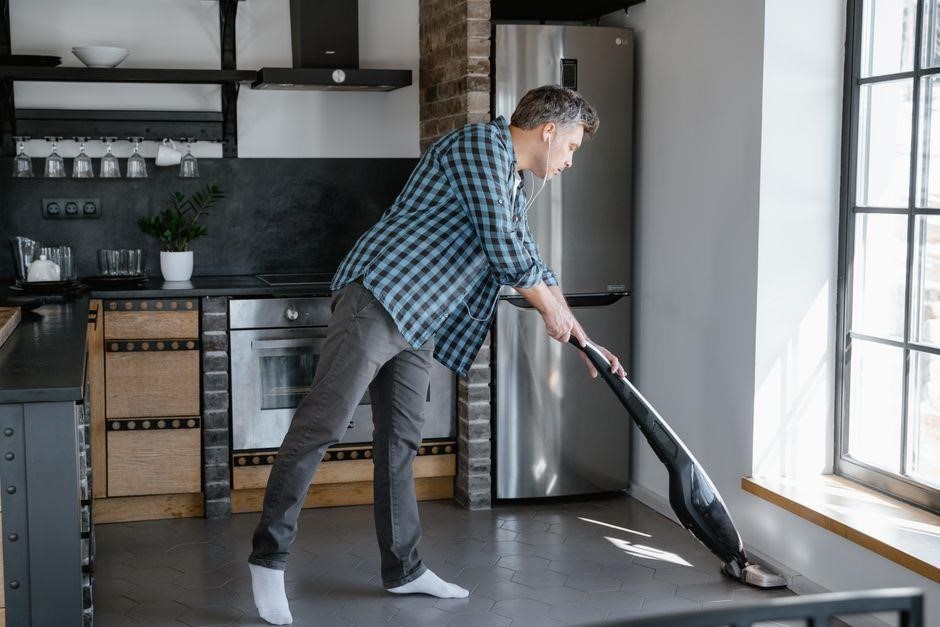
When moving between floor types, the Shark Navigator Lift‑Away’s adjustable suction and brushroll settings optimize performance. For deep‑pile carpets, set the power dial to “High” and turn on the brushroll; it automatically clears hair and debris. For low‑pile rugs, reduce suction to “Medium” to lift fibers without noise. On hardwood, tile, or laminate, switch to “Hard‑Floor” mode, turn off the brushroll, and use the smooth floor‑cleaning head to avoid scratches. The handheld mode reaches tight corners and under furniture. Alternate settings in high‑traffic areas to keep the filter from clogging. Inspect and clean the filter after heavy use to maintain suction and extend the vacuum’s life.
- Deep‑Pile Carpets: High suction, brushroll on, quick spin to dislodge embedded hair.
- Low‑Pile Carpets: Medium suction, brushroll on, gentle agitation to lift fibers.
- Hard Floors: Low suction, brushroll off, use the hard‑floor head to avoid scratches.
- Mixed‑Surface Rooms: Alternate settings, use handheld for tight corners.
- Pet Hair: Brushroll on, high suction, use the pet‑hair attachment for extra grip.
For best results, perform a quick pre‑vacuum sweep on high‑traffic zones to remove loose debris before the main run. After each session, inspect the bag or canister for fullness; a full bag can significantly reduce suction efficiency. If you notice a drop in suction, clean the filter or replace it if it appears clogged. Regular maintenance keeps the motor running smoothly, prevents overheating, and extends the vacuum’s lifespan. Additionally, periodically check the brushroll for tangled hair and remove any obstructions. By following these floor‑specific guidelines and performing routine care, you’ll maintain a spotless home without compromising the vacuum’s performance or durability.
Enjoy a cleaner home today
Maintenance and Cleaning Procedures
Clean the filter weekly; rinse under cool water, let dry. Empty the dust bag or canister after each use. Inspect brushroll for hair tangles, remove manually. Wipe the exterior with a damp cloth; avoid harsh chemicals. Store in a dry place to prevent mold.
Replace the filter every 6 months for optimal performance!!
Brushroll and Filter Care
Proper maintenance of the brushroll and filter is essential for sustained suction and longevity of the Shark Navigator Lift‑Away ZU503AMZ. Begin by turning the unit off and unplugging it from the outlet. Carefully detach the brushroll by lifting the release latch located on the side of the housing. Inspect the bristles for hair, pet fur, and debris. Use a pair of scissors or a dedicated brushroll cleaner to trim any tangled strands, ensuring the bristles remain flexible and free‑moving. Re‑install the brushroll by aligning it with the housing and sliding it back into place until it clicks securely. For the filter, gently lift the cover and pull the filter out. Rinse the filter under lukewarm water, avoiding harsh detergents that could degrade the filter media. Allow the filter to air‑dry completely for at least 24 hours before reinserting it. Regular cleaning—ideally after every 10–15 hours of use—prevents dust buildup and keeps the motor running efficiently. This routine care keeps your vacuum efficient.
When cleaning the brushroll, if you notice uneven wear or frayed bristles, consider replacing the entire brushroll assembly. The Shark Navigator Lift‑Away comes with a replaceable brushroll that can be purchased separately. To replace, remove the old brushroll as described, then slide the new one into the housing, ensuring the latch engages. Inspect the filter housing for cracks or leaks; if found, contact Shark support for a replacement part. Finally, after each cleaning session, wipe the brushroll housing with a damp cloth and allow it to dry before reassembling.
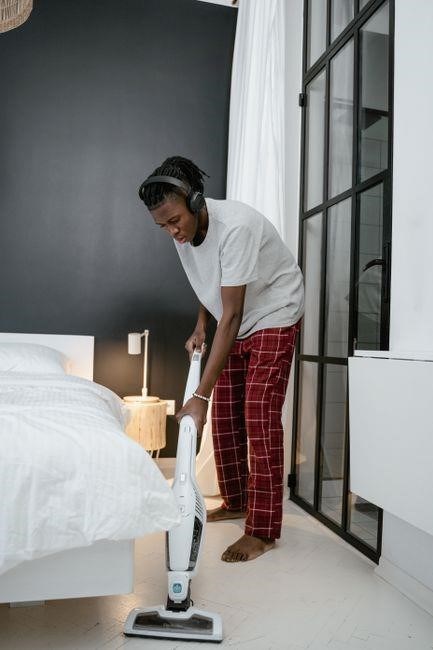
For advanced users, the brushroll can be upgraded with a pet‑specific brush attachment that offers deeper cleaning on carpets. Attach the pet brush by aligning the mounting tabs and securing with the provided screws. This upgrade helps reduce hair tangles and improves suction on high‑pile rugs. After use, detach the pet brush and clean it separately, following the manufacturer’s recommendations. This additional step ensures the main brushroll remains free of excess hair and maintains optimal performance.
Troubleshooting and Repairs
Check power, reset, clean filter, inspect brushroll. If suction drops, clean or replace filter. If motor won’t start, verify outlet, reset switch. For leaks, tighten seals. Contact Shark support for parts. If error codes appear, check manual guide. Replace damaged fan or brushroll fast!
Common Issues and Quick Fixes
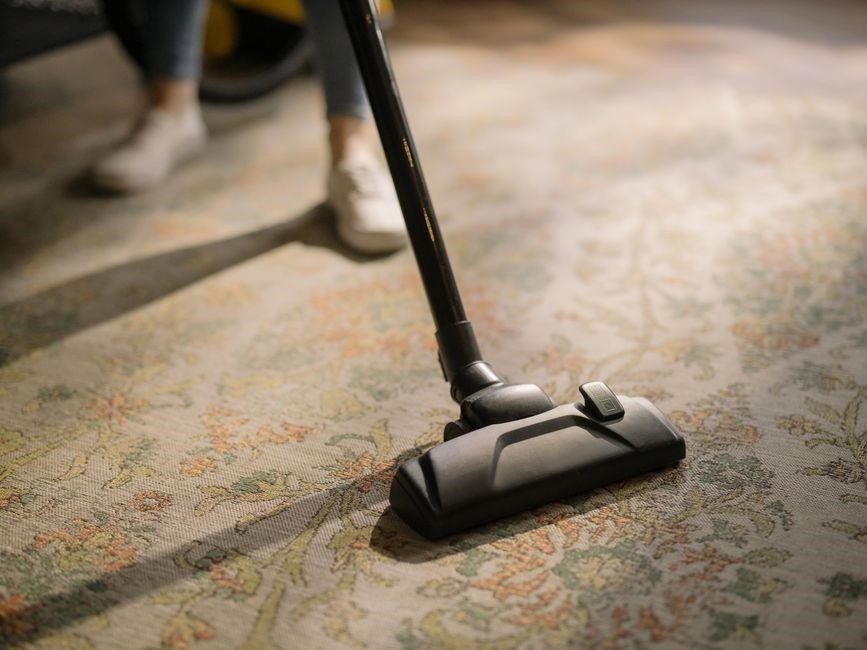
When the Shark Navigator Lift‑Away ZU503AMZ behaves unexpectedly, a few routine checks often resolve the problem. First, confirm that the power cord is securely connected to both the unit and the outlet; a loose connection can cause intermittent operation. If the unit powers on but the motor stalls, inspect the lift‑away hinge for debris or obstruction—small objects can jam the pivot and prevent full extension. Gently clear any blockage with a soft brush or compressed air. A sudden loss of suction usually signals a mechanical blockage; remove the brushroll assembly and inspect the drive belt for wear or breakage. Replace a frayed belt immediately to restore airflow. A flashing indicator or error LED can be reset by pressing the power button for 5 seconds. If the lift‑away button is stuck, tap it gently with a small tool. If the unit fails to start after a power outage, allow the battery (if equipped) to recharge fully before restarting. Finally, if the vacuum emits a loud grinding noise, the motor bearings may be worn; replace the motor assembly following the service instructions. These targeted actions address the most frequent operational hiccups without requiring professional service. If the error light stays on after a reset, note the code and bring unit service evaluation!? If the error light remains on after a reset, the electronic control board may require replacement; keep a log of the error code for technician reference. If the unit still does not operate correctly, you may need to replace the main power switch or the internal fuse, and consult warranty before repairs. Keep the user manual handy for reference.