Kenmore 80 Series Washer Manual: A Comprehensive Guide
This manual is designed to help you understand and utilize all features of your Kenmore 80 Series Washer, ensuring optimal performance and longevity․
Understanding Your Kenmore 80 Series Washer
Your Kenmore 80 Series Washer is a robust appliance engineered for efficient and reliable laundry care․ This washer, often a top-load automatic model with water temperature control, is designed for ease of use and durability․ Sears, Roebuck and Co; originally manufactured these washers, and understanding its core functionalities is key to maximizing its lifespan․
Before operation, carefully review the owner’s manual and installation instructions․ Familiarize yourself with the various wash cycles and settings available․ The Kenmore 80 Series offers a range of options to accommodate different fabric types and soil levels․ Knowing these options will prevent damage to your clothes and ensure optimal cleaning results․
This washer’s design prioritizes simplicity and effectiveness․ Regular maintenance, as outlined in this guide, will contribute to its continued performance․ Remember to record the model and serial numbers for future service requests, as these are crucial for identifying the correct parts and support information․
Locating the Model and Serial Number
Identifying your Kenmore 80 Series Washer’s model and serial number is crucial for accessing support, ordering replacement parts, and referencing specific documentation․ These numbers are typically found on the Model and Serial Number Plate, a sticker affixed to the appliance․
Common locations for this plate include the inside of the washer lid, the back panel, or along the washer’s cabinet frame․ Carefully inspect these areas․ The model number indicates the specific configuration of your washer, while the serial number provides manufacturing details and date of production․
Sears recommends recording these numbers in a safe place for future reference․ When contacting customer service or requesting repairs, having this information readily available will expedite the process․ The manual itself provides a space to record these vital identifiers․ Accurate identification ensures you receive the correct assistance and parts for your specific Kenmore 80 Series Washer․
Safety Precautions and Warnings
Prior to operating your Kenmore 80 Series Washer, carefully review all safety precautions and warnings to prevent injury and ensure safe operation․ Read and follow all instructions before the first use․ Disconnect the power supply before performing any maintenance or repairs․
Never allow children to operate the washer unsupervised․ Keep flammable materials and liquids away from the appliance․ Do not attempt to repair the washer yourself unless you are a qualified technician․ Improper repairs can create hazards․
Avoid contact with electrical components when the washer is plugged in․ Ensure the washer is properly grounded to prevent electric shock․ Do not overload the washer, as this can cause damage and instability․ Always follow detergent manufacturer’s instructions and avoid using excessive amounts․ Heed all warning labels affixed to the machine and consult the manual for detailed safety guidelines․
Washer Features and Components
Your Kenmore 80 Series Washer boasts several key features designed for efficient and effective cleaning․ Core components include a durable drum, a powerful motor, and an advanced water temperature control system․ The washer offers various wash cycles tailored to different fabric types and soil levels․
Notable features encompass a robust agitator (or impeller in some models) for thorough cleaning action, a user-friendly control panel for cycle selection, and a stainless steel or porcelain enamel wash basket․ Additional components include water inlet valves, a drain pump, and a pressure switch to monitor water levels․
The cabinet houses these components, providing structural support and aesthetic appeal․ Familiarize yourself with the location of the detergent dispenser, fabric softener compartment, and the lint filter for optimal performance and maintenance․ Understanding these features will enhance your washing experience․
Installation Instructions
Prior to installation, ensure you have all necessary tools: a level, pliers, screwdriver, and appropriate water supply connections․ Carefully unpack the washer and inspect for any shipping damage․ Position the washer on a firm, level floor, allowing sufficient space for access and ventilation;
Connect the water supply hoses to the hot and cold water faucets, ensuring tight connections to prevent leaks․ Attach the drain hose securely to a standpipe or laundry tub, maintaining proper height to facilitate drainage․ Verify the electrical connection meets local codes and is properly grounded․
Level the washer using the adjustable feet to minimize vibration and noise during operation․ Once leveled, double-check all connections for tightness․ Before first use, run an empty wash cycle to flush out any debris from the system․ Refer to the complete manual for detailed diagrams and safety precautions․
Preparing for the First Wash
Before your initial wash, it’s crucial to thoroughly inspect the drum for any leftover packaging materials or debris from the manufacturing process․ Run a complete wash cycle with no laundry inside, utilizing hot water and a small amount of detergent․ This initial cycle effectively cleans the interior and removes any residual contaminants․
Wipe down the interior of the drum with a clean, damp cloth after the cycle completes․ This ensures a pristine environment for your clothes․ Check the water supply hoses and drain hose for any leaks or kinks, addressing them immediately if found․ Confirm the washer is level to prevent excessive vibration during operation․

Familiarize yourself with the detergent dispenser and ensure it’s properly loaded for your chosen wash cycle․ This preparatory step guarantees optimal cleaning performance and protects your new Kenmore 80 Series Washer․
Understanding the Control Panel
The control panel of your Kenmore 80 Series Washer is designed for intuitive operation․ It features a cycle selector dial, allowing you to choose from various wash cycles tailored to different fabric types and soil levels․ Digital displays clearly indicate the selected cycle, remaining time, and any active options․

Key buttons include ‘Start/Pause’, ‘Temperature’, ‘Spin Speed’, and ‘Options’ such as ‘Extra Rinse’ or ‘Delay Start’․ The ‘Temperature’ button lets you select water temperature – hot, warm, or cold – while ‘Spin Speed’ controls the intensity of the final spin cycle․
Option buttons provide customized washing experiences․ Refer to the ‘Wash Cycle Selection Guide’ for detailed explanations of each cycle and its appropriate settings․ Understanding these controls ensures you maximize the efficiency and effectiveness of your Kenmore washer․
Wash Cycle Selection Guide
Selecting the correct wash cycle is crucial for optimal cleaning and fabric care․ The Kenmore 80 Series Washer offers a variety of cycles designed for specific needs․ ‘Normal’ is ideal for everyday cottons and linens with moderate soil levels․ ‘Delicates’ provides gentle washing for fragile items like lingerie and silk․
For heavily soiled items, use the ‘Heavy Duty’ cycle․ ‘Permanent Press’ minimizes wrinkles in synthetic fabrics․ A ‘Quick Wash’ cycle offers a shorter wash time for lightly soiled loads․ ‘Bulky Items’ accommodates larger items like comforters and blankets․
Consider fabric type and soil level when choosing a cycle․ Refer to garment care labels for guidance․ Utilizing the appropriate cycle ensures effective cleaning while protecting your clothes from damage; Experiment to find the best settings for your laundry needs․
Detergent and Additive Usage
Proper detergent usage is vital for effective cleaning and preventing residue buildup․ Always use a High Efficiency (HE) detergent specifically formulated for your Kenmore 80 Series Washer․ Non-HE detergents produce excessive suds, potentially damaging the machine and reducing cleaning performance․
Follow detergent manufacturer’s instructions regarding dosage, adjusting based on load size and soil level․ Avoid overusing detergent, as this can leave residue on clothes․ Additives like fabric softener and bleach should be dispensed into the appropriate compartments․
Liquid bleach should be diluted with water before adding to the dispenser․ Powdered bleach can be added directly to the dispenser․ Fabric softener helps to reduce static cling and soften fabrics․ Always check garment care labels before using bleach or fabric softener․
Loading and Unloading the Washer
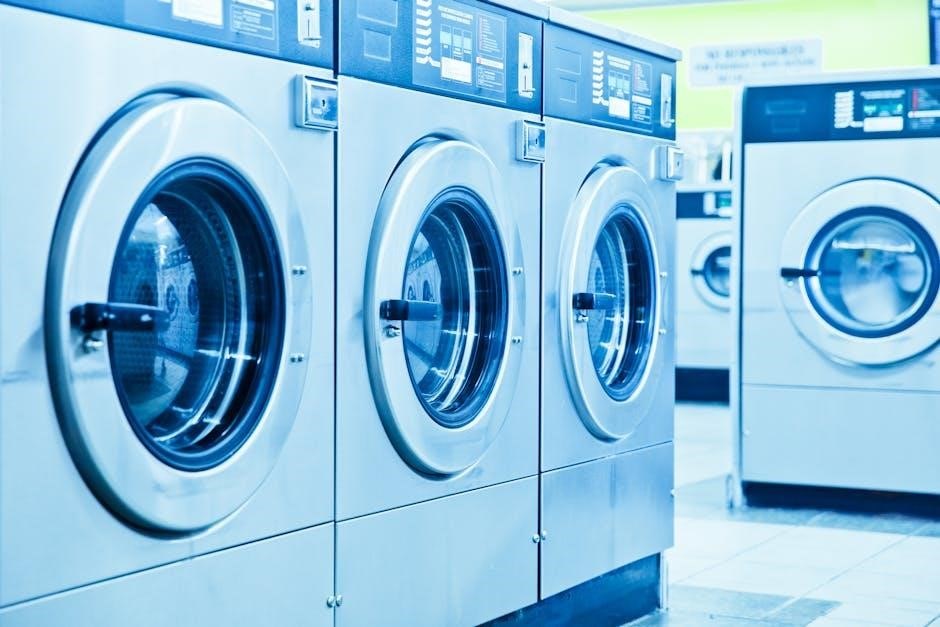
To ensure optimal washing performance, load items loosely into the drum, avoiding overcrowding․ Overloading restricts movement, hindering effective cleaning․ Distribute items evenly around the drum to maintain balance during the spin cycle, preventing excessive vibration and potential damage․
Separate items by fabric type, color, and soil level before loading․ Check pockets for objects like coins or keys, which can damage the washer․ When unloading, remove items promptly to prevent wrinkles and mildew growth․
Be cautious when removing wet items as they will be heavier․ Ensure the washer has completely stopped before opening the lid․ Regularly inspect the drum for any small items that may have fallen through clothing, preventing blockages in the drain pump․
Troubleshooting Common Issues
If your Kenmore 80 Series Washer isn’t draining, first check the drain hose for kinks or obstructions․ Ensure the drain hose is properly inserted into the standpipe and not pushed in too far․ A clogged drain pump filter is another frequent cause; refer to the ‘Filter Cleaning and Replacement’ section for instructions․
For washers that won’t spin, verify the lid switch is functioning correctly․ An unbalanced load can also prevent spinning – redistribute the items and restart the cycle․ If the washer is excessively vibrating, ensure it’s level and the shipping bolts have been removed․

If you encounter error codes, consult the ‘Error Codes and Their Meanings’ section for specific guidance․ Always disconnect the power before attempting any repairs beyond basic checks․
Error Codes and Their Meanings
Understanding error codes on your Kenmore 80 Series Washer is crucial for efficient troubleshooting․ While specific codes vary by model, some are common․ An “F01” or similar code often indicates a water inlet issue – check the water supply valves and inlet hoses for obstructions or kinks․
Codes like “F02” frequently signal a drain pump malfunction․ Inspect the drain pump filter for clogs and ensure the drain hose isn’t blocked․ An “F03” error might point to a problem with the water level sensor, requiring professional diagnosis․
Lid switch errors are often displayed as “F04” or similar․ Ensure the lid is closing properly and the switch isn’t damaged․ Always consult your specific model’s documentation for a complete list of error codes and their corresponding solutions․ Disconnect power before any inspection․
Cleaning and Maintenance
Regular cleaning and maintenance are vital for extending the life of your Kenmore 80 Series Washer and maintaining optimal performance․ Wipe down the exterior with a damp cloth and mild detergent to prevent grime buildup․ Pay close attention to the control panel and dispenser drawers․
Periodically clean the washer drum to remove detergent residue and prevent odors․ Run an empty hot water cycle with a washing machine cleaner․ Don’t forget the importance of cleaning the lint filter after each load to ensure proper drainage and prevent clogs․

Inspect hoses for cracks or leaks and replace them as needed․ Always disconnect the power before performing any maintenance․ Following these simple steps will keep your Kenmore washer running smoothly for years to come․
Drum Cleaning Procedures
Maintaining a clean washer drum is crucial for preventing odors and ensuring effective cleaning performance․ To begin, run an empty hot water cycle using a commercially available washing machine cleaner․ Follow the cleaner’s instructions carefully regarding dosage and cycle selection․
Alternatively, you can use white vinegar․ Add two cups of white vinegar to the detergent dispenser and run a hot water cycle․ For stubborn residue, consider a second cycle․ Ensure the drum is thoroughly rinsed after each cleaning procedure․
Leave the washer door ajar after cleaning to allow for proper ventilation and prevent mildew growth․ Repeat this process monthly, or more frequently if you notice any unpleasant smells or visible buildup․ A clean drum equals cleaner clothes!
Filter Cleaning and Replacement
Regular filter maintenance is vital for preventing clogs and ensuring proper water drainage․ Locate the filter – typically found at the bottom front of the washer, behind an access panel․ Before opening the panel, have towels ready to absorb any spilled water․
Carefully unscrew and remove the filter, inspecting it for lint, debris, and small objects like coins or buttons․ Clean the filter thoroughly under running water, removing all obstructions․ Check the filter housing for any remaining debris and clear it out․
Inspect the filter for damage; if cracked or broken, it must be replaced․ Reinstall the cleaned or new filter securely, ensuring a watertight seal․ Consult your model’s parts diagram for the correct filter replacement․ Clean the filter monthly, or as needed, to maintain optimal washer performance․
Exterior Cleaning and Care
Maintaining a clean exterior not only enhances the appearance of your Kenmore 80 Series Washer but also contributes to its longevity․ Regularly wipe down the washer’s cabinet with a damp, soft cloth․ Avoid abrasive cleaners, as they can scratch the surface․
For stubborn stains, use a mild detergent diluted in water․ Apply the solution to a cloth, not directly onto the washer, and gently wipe the affected area․ Rinse with a clean, damp cloth and dry thoroughly․ Pay attention to the control panel, cleaning around the buttons and display․
The chrome or stainless steel components can be polished with a dedicated stainless steel cleaner for a gleaming finish․ Avoid spraying liquids directly onto the washer; always apply to a cloth first; Regular cleaning prevents buildup and keeps your Kenmore washer looking its best․
Repair Resources and Service Contacts
For repair assistance with your Kenmore 80 Series Washer, several resources are available․ First, consult the troubleshooting section of this manual to address common issues independently․ If the problem persists, contacting Sears is recommended, as they are the primary service provider for Kenmore appliances․
You can find local authorized service technicians through the Sears website or by calling their customer service line․ Have your model and serial number readily available when contacting service, as this information is crucial for accurate support․ Online parts diagrams and repair manuals can also be found through various appliance parts retailers․
Remember to only use qualified technicians for repairs to ensure safety and maintain the warranty․ Attempting complex repairs without proper knowledge can lead to further damage or injury․ Sears offers both in-home service and options for appliance repair centers․
Understanding Parts Diagrams
Parts diagrams are essential for identifying components and understanding the assembly of your Kenmore 80 Series Washer․ These diagrams, often referred to as exploded views, illustrate how each part connects and interacts with others․ They are invaluable when ordering replacement parts or performing repairs․
Each part is typically labeled with a reference number, corresponding to a parts list․ This list provides the part name, model number, and often, the manufacturer’s part number․ When ordering parts, always verify the model number of your washer to ensure compatibility․ Online resources and appliance parts retailers frequently offer downloadable parts diagrams․
Understanding the diagram’s orientation is crucial; parts are often shown as if the washer is disassembled․ Pay attention to the direction and placement of components․ Detailed diagrams can be found for specific models, including the Kenmore heavy duty top load washer, model 110․92273100, offering over 100 individual part illustrations․
Exploded View of Key Components
The exploded view visually disassembles the Kenmore 80 Series Washer, showcasing key components in a detailed, layered format․ This representation highlights the washer’s internal structure, including the outer cabinet, drum assembly, motor, pump, and control panel connections․ Essential parts like the water inlet valve, agitator (for top-load models), and various hoses are clearly depicted․
Studying this view aids in understanding how these components interact during the wash cycle․ It’s particularly useful when diagnosing issues, as it reveals the location of potential failure points․ For example, the pump’s position relative to the drain hose is readily apparent․ Detailed diagrams, such as those for model 110․92273100, illustrate over 100 individual parts․
Remember to reference the accompanying parts list, which assigns a unique number to each component․ This allows for accurate identification when ordering replacements or performing maintenance․ Utilizing this visual guide simplifies complex repairs and ensures a more efficient troubleshooting process․
Warranty Information
Your Kenmore 80 Series Washer is backed by a manufacturer’s warranty, providing coverage for defects in materials and workmanship․ The standard warranty typically covers parts and labor for one year from the date of purchase․ However, specific warranty terms can vary based on the model and purchase location – always consult your original purchase documentation․
Extended warranties may be available for purchase, offering additional years of coverage beyond the standard term․ These extended plans often include protection against breakdowns and may cover in-home service calls․ To initiate a warranty claim, you’ll generally need to provide proof of purchase and the washer’s model and serial numbers․
Sears, as the retailer of Kenmore appliances, handles warranty service․ Contacting your nearest Sears store or visiting the Sears website are the primary methods for filing a claim․ Keep your warranty information readily accessible for quick reference should any issues arise during the coverage period․
Additional Resources and Support
Beyond this manual, several resources are available to assist you with your Kenmore 80 Series Washer․ The Sears website (sear․com) offers a comprehensive FAQ section, troubleshooting guides, and downloadable manuals for various models․ You can also find parts diagrams and order replacement parts directly through their online store․
Kenmore’s customer support team is accessible via phone and online chat․ Their representatives can provide assistance with operational questions, warranty claims, and service scheduling․ Online forums and communities dedicated to appliance repair often feature discussions about Kenmore washers, offering peer-to-peer support and solutions․
For more complex issues, consider consulting a qualified appliance repair technician․ Sears Home Services provides professional repair options, and independent repair companies are also available in most areas․ Remember to have your model and serial number handy when seeking support, ensuring efficient assistance․